
Leading Tree Trimming Tools for Safe and Efficient Pruning
Discover the top-rated tools designed to make your tree trimming tasks safer, easier, and more effective for all skill levels.
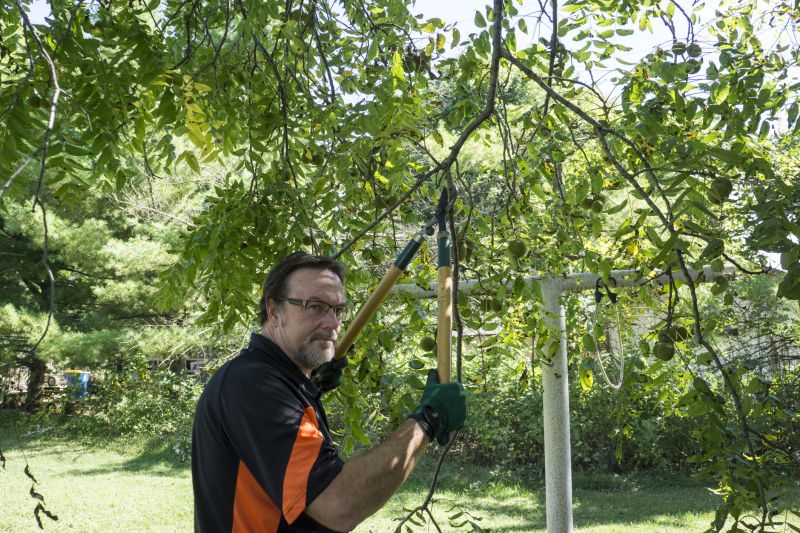 Tree trimmings are a common part of seasonal yard maintenance and holiday decorating, requiring a variety of tools and products to ensure safety and efficiency. Whether trimming a small ornamental tree or managing larger, mature trees, selecting the right products can make the task more manageable and safer. From manual pruning tools to powered equipment, there are numerous options designed to accommodate different tree sizes and trimming needs. Proper tools not only help achieve cleaner cuts but also reduce the risk of injury and damage to the trees themselves.
Top Overall Option
Multi-Function Tree Trimming Kit
A versatile set that includes various pruning tools, such as hand pruners, loppers, and a folding saw, designed to handle a wide range of tree trimming tasks. Its ergonomic design and durable construction make it suitable for both casual and frequent use, providing a comprehensive solution for maintaining trees of different sizes and types.
Types of Products For Tree Trimmings
Pruning Shears
Compact and precise tools ideal for trimming small branches and shaping trees.
Lopping Shears
Long-handled tools designed for cutting thicker branches with greater leverage.
Folding Saw
Portable saws that are perfect for making cuts in hard-to-reach areas.
Pole Pruners
Extendable tools that allow trimming of high branches without a ladder.
Electric Pruners
Battery-powered tools that facilitate quick and efficient trimming of larger branches.
Chainsaws
Powerful tools suitable for cutting large limbs and clearing overgrowth.
Tree Climbing Gear
Harnesses and safety equipment for professionals or serious hobbyists working on large trees.
Debris Bags
Heavy-duty bags designed to collect and transport trimmed branches and leaves.
Protective Gloves
Essential safety gear to protect hands during trimming activities.
Safety Goggles
Eye protection to guard against flying debris and branches.
Hats and Helmets
Head protection to prevent injuries during tree trimming.
Tree Wedges
Tools used to safely support or direct branches during cutting.
Tree Stand Platforms
Stable platforms for safe access to higher branches.
Extension Cords
Heavy-duty cords for powering electric trimmers and saws.
Tool Storage Organizers
Storage solutions to keep trimming tools organized and accessible.
Popular Choices
Widely used for detailed trimming of small branches and shrubs.
Common choice for clean cuts on live branches.
Ideal for cutting dead wood and thicker branches.
Popular for reaching high branches without ladders.
Convenient for quick trimming tasks with cordless operation.
Preferred for consistent power during larger trimming jobs.
Often chosen for heavy-duty tree work and large limbs.
Common safety gear for professional and serious hobbyist use.
Popular for collecting branches efficiently.
Trusted for hand protection during vigorous trimming.
Enhance safety when working on ladders for high branches.
Frequently used for safe branch support during cutting.
Popular among professionals for safe high-level trimming.
Convenient for carrying essential trimming tools.
Reliable options for powering electric tools.
When choosing products for tree trimmings, it is important to consider the specific requirements of your trees, including their size, type, and location. For example, smaller pruning shears are suitable for delicate branches, while larger loppers and saws are better suited for thicker limbs. Additionally, safety gear such as gloves, eye protection, and harnesses can greatly enhance safety during trimming activities. Storage solutions and organizational tools can also help keep your workspace tidy and tools in good condition.
Maintenance and proper handling of trimming tools are essential to ensure their longevity and performance. Regular sharpening, cleaning, and correct storage can prevent rust and deterioration. For those who prefer powered options, electric or battery-operated trimmers and saws offer increased efficiency, especially for larger or more frequent trimming tasks. Ultimately, selecting the right products depends on your specific needs, the scope of your trimming projects, and your comfort level with different types of equipment.
Having a well-stocked collection of tree trimming products can make seasonal yard work more straightforward and less time-consuming. Whether you are a casual gardener or a dedicated landscaper, the right tools can help you maintain healthy, attractive trees and prevent overgrowth. Investing in quality products suited to your needs can lead to more successful trimming sessions and healthier trees in the long run.
Key Buying Considerations
- Identify the size and type of branches you need to trim to select appropriate tools.
- Consider ergonomic features to reduce fatigue during extended use.
- Safety features such as non-slip grips and safety locks enhance handling and security.
- Material quality influences durability and longevity of tools.
- Power source options include manual, electric, battery-operated, and gas-powered, each with advantages and limitations.
- Weight of the tool can affect maneuverability and ease of use.
- Blade or cutting edge sharpness impacts the quality of cuts and ease of trimming.
- Size and reach of tools like pole pruners should match your trimming height and scope.
- Compatibility with other tools or accessories can improve versatility.
- Storage options and organizational accessories help maintain tool condition and accessibility.
- Budget considerations should balance quality and features suitable for your needs.
- Ease of maintenance, including sharpening and cleaning, can extend tool lifespan.
- User reviews and ratings can provide insights into real-world performance.
- Availability of replacement parts and warranties can influence long-term satisfaction.
- Environmental conditions, such as weather resistance, may be relevant for outdoor tools.